Many Baltimore-area schools leverage stellar reputations and resources to curate unforgettable experiences. Learn what makes school-based camps different from other summer programming.
Students and non-students
School-affiliated camps are not exclusive to students, which is part of the appeal. Meredith Bower, the communications director at McDonogh School in Owings Mills, says of the 2,800 campers the school will see each summer, only about 10% are its own students.
Park School of Baltimore draws around 600 campers, with a 50/50 split between students and non-students, balancing familiar faces and new friends. “That’s our hope,” says Nate Edmunds, Park’s director of auxiliary programming. “We want our students to have access to a great camp. Prospective families get a touchpoint with the campus and people and a taste of Park School culture and philosophy. We also have campers who’ll only join us for summer.”
Confidence in reputation
Bower shares that for student campers, “the campus and staff make it feel like a fun and safe extension of school.” That comfort fosters confidence. “Students are in a familiar place while simultaneously being exposed to a different things — a studio they’ve never seen or a court they’ve yet to play on,” adds Alexandra Emoff, director of auxiliary programs at Garrison Forest School in Owings Mills.
When parents respect a school, they hold more faith in its programming even if their child isn’t a student there. Traditional school-affiliated camps have long-esteemed histories and admired staffing. “McDonogh has offered quality camps for over 80 years, and parents feel comfortable the program will always be a summer choice for their children,” Bower says.
School staffing
School-affiliated camps tap trusted faculty as directors and staff. Counselors are often teachers, upper school students or camp alumni. Sports are led by coaches. “We take pride in having a home-baked camp,” says Edmunds. “We want it to feel in sync with the school. It’s got a summer vibe, but it’s very much Park.” Larger school camps such as McDonogh also hire faculty from other area schools.
Teamwork and consistency are key, Emoff reflects. “We invite our teachers to run enriching summer programming of their choice and to lead groups. This continuity is priceless and beloved by campers, families and educators.”
Abundant resources
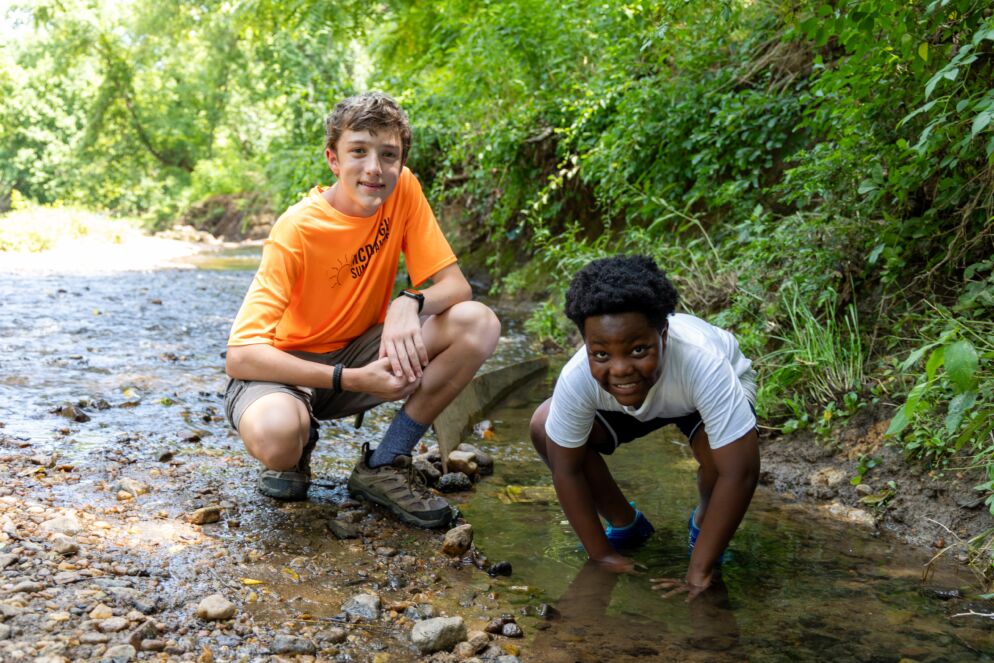
Campuses boast ample recreation spaces and amenities, from athletic fields to ziplines. “We have incredible natural surroundings and outdoor spaces at Park,” Edmunds says. “Our kids are walking the stream, they’re in the woods, they’re doing science and crafts outdoors. But we can also go fully indoors when needed.”
McDonogh’s camps utilize the school’s 800-acre campus with playgrounds, ponds, pool, rock-climbing and ropes courses. School-based camps also offer access to computers, performing arts and much more.
Richness of resources, tradition and stability give families a reason to consider school-affiliated camps.