Birthday parties have long followed a familiar pattern — cake, candles, guests. But some families are choosing to start new traditions. The growing trend of “no-gift” birthday parties reflects shifting priorities around celebration, materialism and connection. Some parents see it as a positive shift that brings more meaning to their child’s special day. Others believe gift giving remains an important part of childhood tradition.
Parents who have hosted these gift-free celebrations often report unexpected benefits. There is less focus on comparison between gift amounts, fewer thank-you notes to track and reduced clutter once the party ends. Children may also lose interest in toys over time, even if they initially express excitement about receiving them.
Instead, attention shifts to shared activities, food, games and meaningful interactions. Children’s reactions vary. Some are surprised at first but quickly adjust once they experience a celebration centered on fun rather than presents. Many families say they would repeat the experience — viewing it as a conscious choice aligned with their values.
Limiting gift giving to close family members rather than additional party guests also helps reduce the number of presents and overall post-party clutter.
Financial pressure is another reason some families reconsider traditional gift giving. The cost of gifts has increased, and social expectations can push parents to spend beyond their budgets. In some cases, children may feel unable to attend a friend’s birthday party if they cannot afford to bring a gift, which can unintentionally limit their participation in celebrations. Cynthia C., a mom of two from Dundalk, says the gift-free approach removes pressure from guests — prompting more people to show up because there’s no obligation that comes with it.
A party without presents can also financially benefit the family that’s hosting. Parents often feel that gift exchanges take up a significant portion of the party they have already paid for, reducing time for play and social interaction.
Another benefit of doing no gifts some parents point to is the opportunity to teach gratitude and emotional regulation. It can also create space for conversations about managing expectations and navigating disappointment in healthy ways. Rather than centering excitement on unwrapping presents, families can guide children to find joy in connection and participation — skills that extend beyond birthday celebrations.
Holding Onto Traditional Gift Giving
Not all families are ready to move away from traditional gift giving. For many parents, presents remain an important part of birthday celebrations and the excitement of turning another year older. MarQuita Johnson, a mother of three who lives in the Loch Raven neighborhood of Baltimore, shares that gift giving makes parties feel more engaging and special for young children. She adds that receiving gifts teaches children valuable lessons about how to respond to surprises and manage potential disappointment.
Others see gifts playing a meaningful role in child development by strengthening a child’s understanding of relationships and appreciation while also reinforcing the significance of the milestone itself. It also reinforces for the partygoer or gift giver that this is an act of kindness and service, showing that they are celebrating someone they care about. Through these experiences, children learn social skills and emotional awareness.
By planning ahead and setting price ranges, families are able to participate in gift giving without overspending. Some take time to observe their child’s friends and interests so they can purchase gifts that are thoughtful and purposeful.
What Local Venues and Community Spaces Are Seeing
Party venues across Baltimore observe that gifts are still typically a central part of birthday celebrations, though some clients may request alternative setups or events that focus more on activities and experiences rather than present exchanges. In many cases, parents who book venues that include gifts as part of party packages do choose to postpone opening them until the end of the celebration after play and food is complete.
At Beezee Sensory Gym in Sparks Glencoe, an activity facilitator notes that it’s common for parents to include gifts at the gym’s birthday parties. She says doing so has a positive impact, noting that gift exchanges seem to be a happy time for kids during the parties. Her observation reflects what many children’s spaces continue to see with birthday festivities.
Even as some families shift toward activity-focused or gift-free celebrations, many party venues remain slow to adopt this trend. Parents may choose to veer away from presents at home or in small ways at events, while gifts are still traditional in public party spaces.
Gift Alternatives
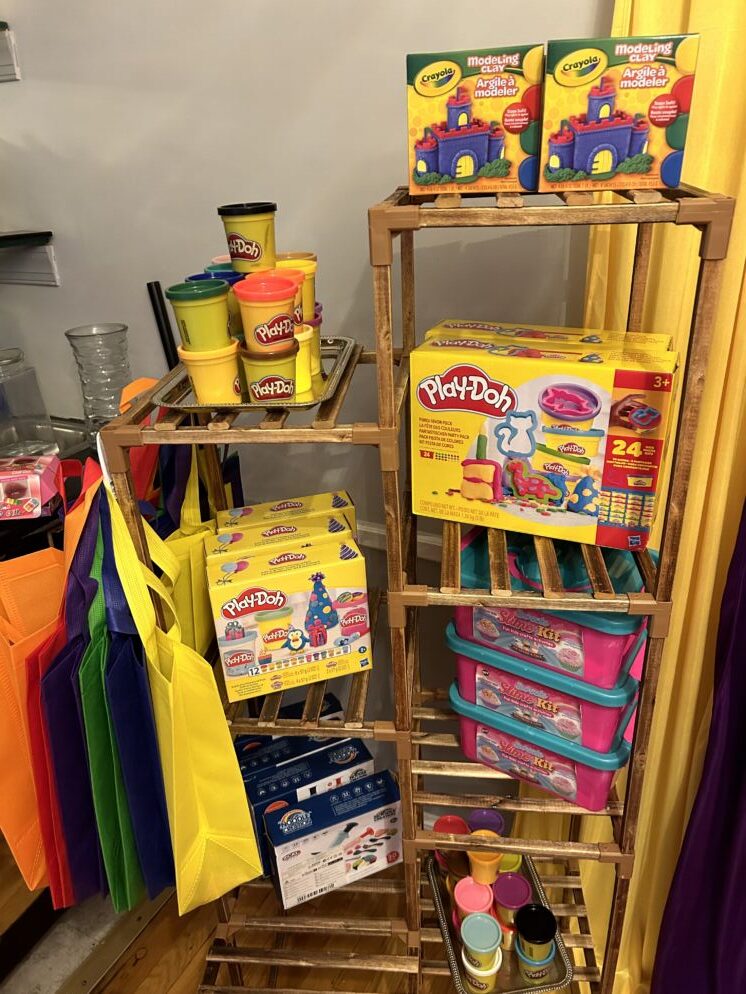
For families who want to move away from wrapped presents — but not eliminate gifts entirely — creative alternatives are becoming increasingly popular. Some parents host book-themed parties, asking guests to bring a favorite children’s book with a handwritten note inside. Others opt for “piggy bank” celebrations, encouraging small contributions toward a larger goal such as a bike, summer camp or a savings fund. Experience-based gifts are also on the rise. Instead of toys, families may request movie tickets, park passes, water park admission, ice cream shop gift cards or even simple treats like a favorite local restaurant or fast-food gift card. With gift cards, kids still feel like they received something special, but it gives families flexibility to use it for an outing, a treat or something the child truly wants later.
Handmade cards and colored pictures remain meaningful alternatives as well. Some families choose to ask guests to donate to a favorite charity or cause. These alternatives allow them to reimagine birthday traditions while still honoring the spirit of giving.
Communicating With Family and Friends
One of the biggest hurdles for parents considering a gift-free party is how to communicate the request. Many families keep the tone light and positive on invitations, using phrases such as “Your presence is the only present we need” or “Please just bring yourself.” Others make gifts optional rather than prohibited, easing potential awkwardness while still shifting expectations. Age can also play a role in how the idea is received. Some parents feel older children may better understand the reasoning behind a celebration without gifts, while preschoolers and kindergartners may struggle with the concept if they are accustomed to traditional parties.
Helping Your Child Understand the Shift
A party with no presents can feel confusing for children — whether they are the birthday child or a guest, as was the case with a mother from Essex whose 5-year-old son felt disappointed about not being able to bring gifts to his friends. Parents who have navigated this transition often recommend discussing expectations well in advance and explaining the reasoning in age-appropriate language. Involving children in choosing an alternative — such as selecting a charity, planning a special outing or creating a theme — can give them ownership in the process and ease potential disappointment. Emphasizing gratitude for guests’ time and presence also reinforces that birthdays are about celebrating with people who care.
A Broader Conversation About Celebration
At its core, the conversation around gift-free birthday parties reflects larger questions about parenting in today’s culture. Families are reconsidering how to balance material expectations, financial pressure and intentional living. Even when a no-gift policy is requested, some guests may still choose to bring presents because they do not feel comfortable arriving empty-handed. These guests often mean well. Families can prepare by designating a space to store gifts, expressing gratitude and allowing children to open them privately. It is also important to consider cultural expectations and sensitivities when communicating a no-gift policy on invitations. Clear communication is key and having a personal conversation with guests can help explain the family’s position and reduce misunderstandings.
There’s No Wrong Answer
Birthday traditions continue to evolve alongside modern parenting. For some Baltimore area families, simplifying celebrations feels intentional and meaningful, while for others, maintaining the ritual of gift giving preserves a sense of tradition within childhood. Neither approach is inherently right or wrong. What remains constant is that birthdays are the gift — everything beyond that is optional.