Ask students what makes Beth Tfiloh Dahan Community School special, and their answers tend to be personal. It’s the teacher who knows when to push them and when to give them a little help, the class they didn’t expect to enjoy, the activity where they found their thing, or the person they can stop by to see during lunch. Those experiences may look different from student to student, but they have something in common: students learn best when they feel seen, respected, understood, and comfortable asking for help.
At Beth Tfiloh, teachers care about academic progress, of course, but they also pay attention to the interests, questions, challenges, and possibilities that make each student who they are. They help students discover what they’re good at, what they care about, and who they want to become.
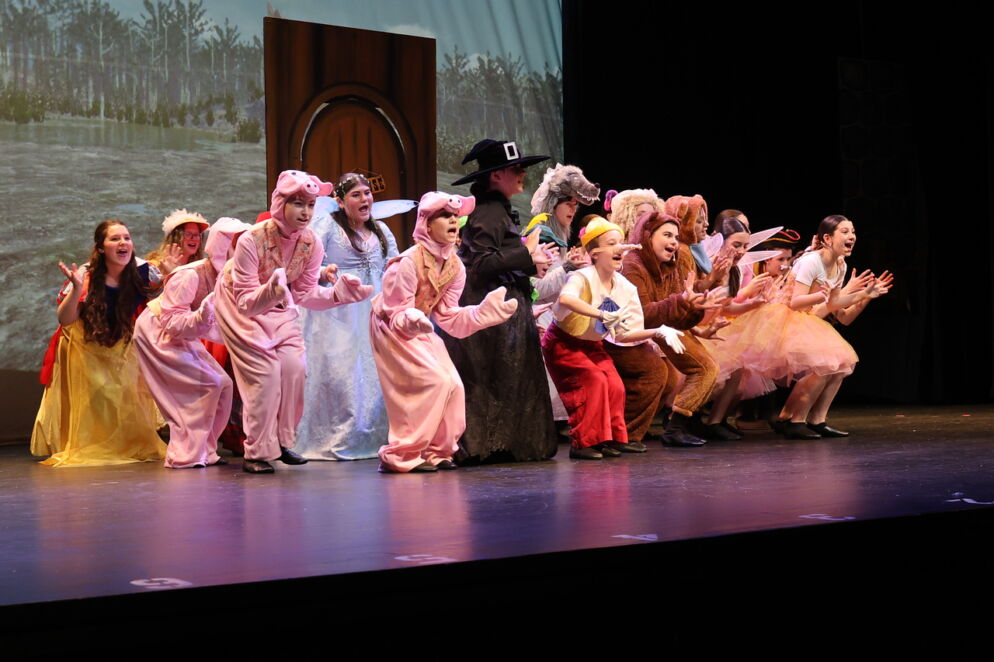
That kind of learning happens in the classroom and in everyday moments that make school feel like a community. Teachers cheer from the sidelines at athletic events, support students at band and dance concerts, and even collaborate with them during the high school’s Cultural Arts Night. Students stop by teachers’ offices during lunch to ask about an assignment, talk through a question, or simply visit. An open door often means exactly that.
A teacher might notice an interest a student hasn’t fully recognized yet, give them a chance to try something new, and stay with them long enough for that interest to morph into confidence. Sometimes the value of learning is simply when a student discovers something worth coming back to. The relationship matters because it shapes the way students learn and is one of the things that makes BT such a special place to be.
For Zachary W. ’32, that feeling starts with belonging. He remembers that in lower school, “you feel like you belong right away.” Assemblies, holidays, and classroom activities made him proud to be Jewish and part of something bigger. Now in middle school, he enjoys choosing electives and moving between classes, “but it still feels like a home,” he says. “Celebrations, assemblies, and activities with my grade – it’s like a big family.”
That sense of belonging grows from the way students are known and included. In lower school, skill-based groups can change as students develop, allowing them to receive support in one area while moving ahead in another. Students are challenged, but they are not defined by a single grade, level, or moment – they have room to grow into the learners they are becoming.
Alexa W. ’32 has found her place through the many ways students can explore their interests. “There are so many ways to get involved – in sports, music, theater, art, or clubs – and everyone finds their thing.” She also appreciates the way her learning connects to her Jewish identity. “We learn serious things, but it’s never boring. There’s always something going on – and it all connects back to who we are as Jews.”
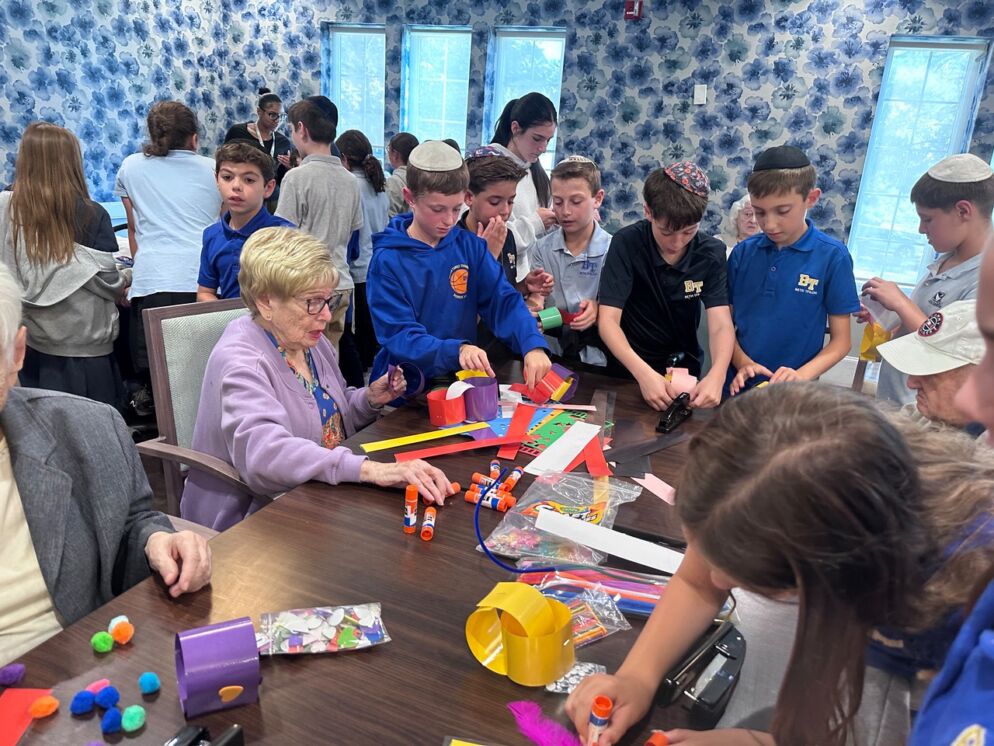
Learning at BT is active and personal. Classes often invite students to participate, ask questions, work together, and make connections beyond the lesson itself. Out-of-class experiences give students additional opportunities to learn alongside their teachers and classmates, whether they’re working on a creative project, serving the community through chesed (charity) projects, sharing an experience outside the school day such as a field trip or school event, or even celebrating a teacher’s wedding and sometimes visiting a teacher who is mourning the loss of a family member.

Students also learn to advocate for themselves. In high school, that might mean visiting a teacher during lunch to ask for help with an assignment, talk through a challenge, or seek advice. With an hour for lunch, students have time to eat, meet with a club or committee, and make those connections. They are learning how to ask questions, take responsibility for their work, and make use of the people around them.
For Alyssa S. ’29, that support has helped her grow into a leader. Through chesed opportunities and community outreach, she has gained confidence and is heading into high school with a stronger sense of who she is. “Empowering and connected,” she says of BT. “There’s always someone here who believes in you.”
That belief is part of what makes the learning experience at Beth Tfiloh so meaningful. Students are encouraged to think independently, act with integrity, care about the world around them, and take pride in being part of a connected Jewish community. They learn from their teachers, from one another, and from the experiences that challenge them to look at the world in new ways.
By the time they graduate, students leave with knowledge and skills, but also with a clearer sense of themselves – what interests them, what matters to them, and who and what they are capable of becoming.