By Dawn Marie Barhyte
It’s that time of year again. Labor Day weekend signals the end of summer and the start of another school year. For school-age children, that means change, and with that comes adjustment, anticipation and anxiety. Some will be starting school for the first time. Others will be experiencing the transition between middle school/junior high and high school.
Whatever the change may be, August/September is a time of both high hopes and great expectations for everyone — students, parents and teachers alike.
It’s a time when children will need to adjust to a new routine as they relinquish the carefree days of summer and transition to new classrooms and teachers, as well as renew relationships with peers. For parents, it means juggling back-to-school shopping, packing lunches and establishing a schedule. These transitional days can put many a parent into a tailspin as students rush home with a list of needs and activities that can overload even the most organized among us.
This change of lifestyle is equally exciting and stressful, but this year, think about working toward a healthy and successful routine several weeks before school starts, thus making the transition less hectic. Take heart that these transitions are exciting opportunities for children, regardless of age, to learn and grow. With some preparation, the typical back-to-school morning madness can be replaced by organization and get children primed for learning.
If you are like most parents, you want to give your child the absolute best start, and at the top of that list is a good education. The following are some surefire tips for making the trip back to the classroom easier and more fun for your kids. Similarly, parents can influence how well their child does in school by improving their learning environment at home, according to the U.S. Department of Education (DOE) report “Strong Families, Strong Schools.” Read on to find out how.
The lazy, hazy days of summer are a terrific respite from school and the pressures that come with it but are not so great for the self-discipline needed for scholastic success. Here are some ways to wind down from summer break and look at the new school year as a fresh start.
Alter your child’s summer schedule several weeks in advance of school’s start.
Children who have grown accustomed to sleeping in will need to set their alarms and get up early. Likewise, those children who are used to staying up late will need to go to bed earlier. Create a bedtime routine of setting out clothes, bathing and reading quietly.
Make sure breakfast is part of the morning routine.
Countless studies show eating a healthy breakfast improves school performance and provides the energy needed for concentration.
Be enthusiastic about the upcoming change.
If you are excited and confident, it is likely your child will be, too. Point out the positive aspects of starting school for your child, such as seeing old friends and meeting new ones. Convey a sense of optimism about how things will go. Talk with your child about their feelings, both the excitement and concerns about starting school. Maintain a positive attitude and be mindful of what you say about school, assignments and teachers to ensure that your child internalizes your attitudes. Remind your child that other children will be uneasy about school and that teachers will work to make everyone comfortable.
Simplify back-to-school shopping, but avoid waiting until the last minute.
Beforehand, make a supply list and take it along. Buy only the basics since some teachers might have specific expectations for the kinds of materials that are needed. Involving children in planning and shopping helps them prepare emotionally for the adjustment from summer vacation to school and and helps build anticipation for the school year.
Get back in the studying habit now.
If your kids have slacked off from reading, get them back in the habit by visiting their
local library.
Limit the use of video games, social media, computer surfing and TV.
Instead, try playing board games that stimulate vocabulary, like Trivial Pursuit, Pictionary and Scrabble. All summer long, provide enrichment with books, magazines and educational programs. Take advantage of community events to bring lessons to life and make them more meaningful. Go to museums, zoos and places of interest to boost learning. Designate a quiet hour in the evening to instill good habits so that even if kids do not have homework, they can still devote time to educational activities. Help your child hone their study skills so they feel confident and capable, which can boost grades. Studying smarter, not harder, can unlock your child’s learning potential.
Set high expectations.
Tell your child that you believe in them and their ability to work hard and do well. Be clear that school is the priority over extracurriculars, social activities or after-school jobs. Keep expectations realistic and age-appropriate so that kids internalize those high standards.
Applaud effort in the right way, as how we praise performance can enhance or impede achievement.
Help kids go for it.
Work with your children to set goals that are challenging yet realistic for their age and maturity level, and teach kids to strive for excellence, not perfection. Help children determine what they want, what they need to get there and how to develop the discipline to help them achieve their goals.
Squelch stress at home.
Home conflicts and stressors will spill into the classroom and impede learning. Find ways to de-stress as a family, such as taking long walks, practicing deep breathing, doing yoga and listening to music.
It is about time.
Teach kids time management strategies—a lifelong skillset that has many benefits. These learned skills can promote achievement and boost grades.
Get kids to talk about school.
It’s an excellent way to connect with your child and get involved, which has been linked to higher achievement, allowing us to advocate for our children and work with teachers more effectively. This will enable you to better help with homework and special projects, be informed, be better able to start and engage in meaningful discussions and plan supplemental learning activities.
The DOE report “Strong Families, Strong Schools” says that as parents we have the power to create an environment that is conducive to learning:
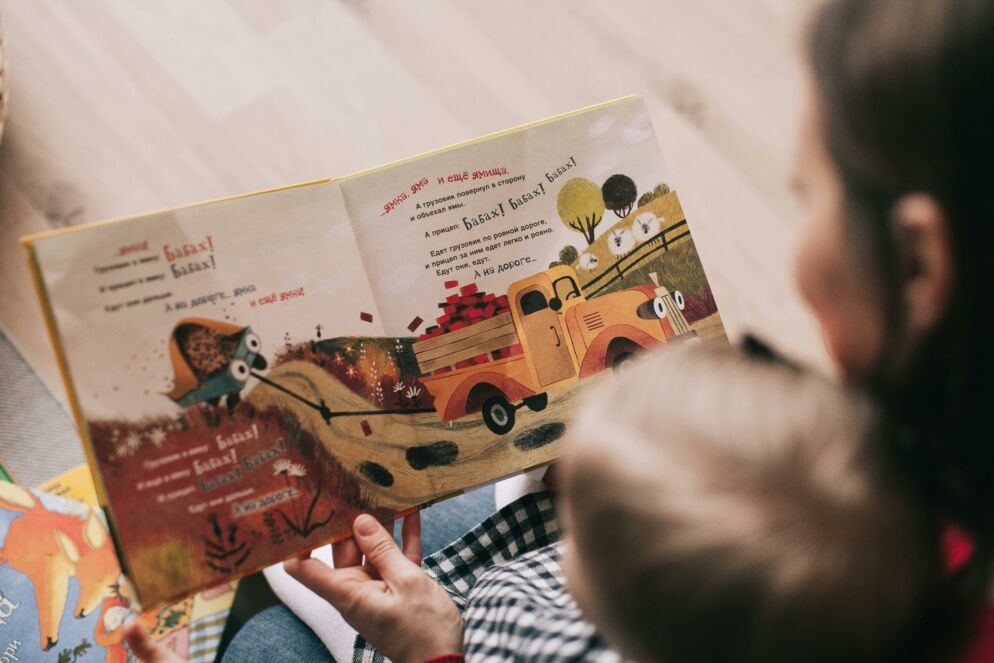
- Read together — Children’s success in school can be linked to reading.
- Use TV wisely — Academic achievement drops sharply for children who watch more than 10 hours a week, or an average of two hours a day.
- Establish a daily routine—Studies show that successful students have parents who create and maintain family routines.
- Schedule daily homework times and provide a quiet, well-lit place for study, discouraging distractions from phone calls, radio and TV.
- Monitor out-of-school activities.
- Communicate positive behaviors, values and character traits!
- Stay connected with school — The partnership between parents and
teachers is key to a successful student.
Regardless of age, children need support to become the best students they can be, and they do better when families are involved, thus sending a powerful message that education is valuable. Parents and teachers share the same goal—that of your child’s successful and satisfying educational experience.